
Jul 12th 2026
How to Winterize Your Boat in Minnesota
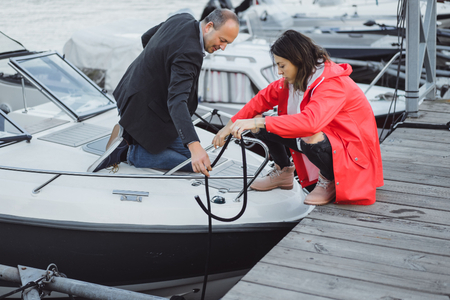
Minnesota winters are hard on boats. Around Richmond, the Sauk River Chain of Lakes, and the rest of Central Minnesota, freezing weather can show up fast. If there is water left in the wrong place, it can freeze, expand, and cause expensive damage.
The good news is that winterizing your boat does not have to be confusing. A little work in the fall can save a lot of trouble in the spring.
Request Your Winterization Service
Do Not Wait Too Long
The best time to winterize your boat is before the first hard freeze. Once overnight temps start dropping close to freezing, it is time to get it done.
Even if you plan to sneak in one more fall ride, keep an eye on the forecast. Minnesota weather does not always give much warning.
Clean and Empty the Boat
Start by taking everything out of the boat that does not need to sit there all winter.
Remove:
- Life jackets
- Tow ropes
- Fishing gear
- Electronics
- Food, snacks, and trash
- Wet towels or clothing
- Cushions if they can be stored inside
Give the boat a good cleaning too. Dirt, fish slime, leaves, and spilled drinks are a lot less fun to deal with after they sit for five months.
This is also a good time to check the hull, seats, flooring, prop, and trailer. Small problems are easier to fix now than during the spring rush.
Drain All Water
Water is the big thing to watch. Any water left in the boat, motor, livewell, bilge, or plumbing can freeze.
Minnesota also has rules about draining boats. The Minnesota DNR says boaters must drain water and leave drain plugs out during transport to help stop the spread of aquatic invasive species.
Make sure water is drained from:
- Bilge
- Livewell
- Baitwell
- Motor
- Ballast tanks, if your boat has them
- Any pumps or hoses
Lowering the motor can help extra water drain out.
Take Care of the Fuel
Fuel should not sit all winter without attention. Old fuel can cause hard starts and rough running in the spring.
Most boat owners should add fuel stabilizer before storage. After adding it, the motor should be run long enough to let treated fuel move through the system.
Every motor is different, so follow the owner's manual or have a marine service shop handle it.
Service the Motor
Your motor is one of the most important parts of winterizing.
For many boats, winter motor service may include:
- Changing lower unit oil
- Checking for water in the gear case
- Fogging the motor when needed
- Greasing fittings
- Checking spark plugs
- Looking over hoses, clamps, and seals
If lower unit oil looks milky, that can mean water is getting in. That should be checked before winter, not after.
Charge and Store the Battery
Boat batteries do not like being ignored all winter.
Disconnect the battery and store it in a dry place where it will not freeze. Make sure it is charged before storage. A battery maintainer can help keep it ready for spring.
Keep Moisture Out
Moisture can lead to mildew, smells, and damage inside the boat.
Before covering the boat, make sure the inside is dry. Open storage compartments. Let cushions air out. If the boat will be wrapped or covered, proper vents are important so moisture does not get trapped inside.
Cover or Shrink Wrap the Boat
A good cover matters in Minnesota. Snow, ice, wind, and falling branches can be rough on a boat sitting outside.
If you use a cover, make sure it is tight and supported so snow does not pile up and stretch it down. Shrink wrapping is a strong option for outdoor storage because it helps keep snow and ice off the boat when done correctly.
Indoor storage is even better if you want extra protection from the weather.
Do Not Forget the Trailer
Your trailer sits all winter too.
Check:
- Tires
- Wheel bearings
- Lights
- Safety chains
- Winch strap
- Jack
- Bunks or rollers
Read similar posts
How much does it cost to shrink wrap a boat
If the trailer has been in the water all season, fall is a good time to look it over before it gets parked.
What About Pontoons?
Pontoons need winter care too. The motor still needs to be winterized, the battery should be handled, and the interior should be cleaned and dried.
If your pontoon stays outside, a strong cover or shrink wrap is important. Snow can get heavy fast, and flat covers can sag if they are not supported well.
Need Help Winterizing Your Boat in Central Minnesota?
If you are not sure what your boat needs, it is better to ask than guess. Different motors and boats need different care.
Channel Marine & Sports in Richmond, MN helps boat owners with winterization, shrink wrapping, and off-season storage. We work with fishing boats, pontoons, outboards, and lake equipment for families around Central Minnesota.
Getting your boat ready now means one less headache when warm weather comes back.
Getting your boat ready now means one less headache when warm weather comes back.