
Feb 23rd 2026
How To Winterize a Boat Motor
If you own a boat in Richmond Minnesota, you already know how quickly our seasons change. One week you are enjoying calm water and warm sun, and before long the temperature drops and the docks start to empty. Properly winterizing your boat motor is one of the most important steps you can take to protect your investment and avoid expensive repairs in the spring.
At Channel Marine & Sports, we help many boat owners prepare their engines for winter storage. Whether you have an outboard, inboard, or stern drive, the basic goal is the same. You want to remove water, protect internal parts, and keep fuel from going bad.
Here is a clear, step by step guide to help you get the job done.
1. Read Your Owner’s Manual
Before you start, take a few minutes to review your engine manual. Different brands and models have specific requirements. Some motors need certain oils or procedures that others do not. Following the manufacturer’s directions helps prevent mistakes.
2. Add Fuel Stabilizer
Gasoline can break down over time, especially during long winters. When fuel sits too long, it can form deposits that clog lines and carburetors.
Add a quality fuel stabilizer to your gas tank while there is still fresh fuel inside. Run the engine for about 10 to 15 minutes after adding it. This allows the treated fuel to move through the entire system. Do not skip this step. It can save you a lot of trouble in the spring.
3. Change the Engine Oil and Filter
Old oil contains moisture and small particles that can cause internal wear if left sitting all winter. Change the engine oil and oil filter before storage.
Warm the engine first so the oil drains more easily. After draining, replace the filter and refill with the recommended oil type and amount. Fresh oil coats internal parts and helps prevent corrosion.
For outboard motors with lower units, you should also change the lower unit gear oil. If you see milky fluid when draining, that may mean water has entered the unit. In that case, it is best to have it inspected.
4. Flush the Cooling System
Any water left inside the motor can freeze and expand when temperatures drop below freezing. This can crack engine blocks and other parts.
For outboard motors, connect a garden hose to the flush port or use motor muffs. Run fresh water through the system to remove dirt, sand, and debris.
For inboard and stern drive engines, you will need to drain the cooling system and, in many cases, add marine antifreeze. Make sure all drain plugs are removed and water is fully drained before adding antifreeze. Use only antifreeze designed for marine engines.
5. Fog the Engine
Fogging oil protects internal engine parts from rust during storage. This is especially important in areas with long, cold winters.
For carbureted outboards, spray fogging oil directly into the air intake while the engine is running, then shut it off as directed. For fuel injected engines, the process may differ, so follow your manual.
The goal is to coat the cylinders and internal metal surfaces with a protective layer. This reduces corrosion while the motor sits unused.
6. Check and Remove the Battery
Cold weather can drain batteries. Disconnect the battery and remove it from the boat if possible. Store it in a cool, dry place that does not freeze.
Clean the terminals and check the charge. It is a good idea to keep the battery on a maintenance charger over the winter so it stays in good condition. Chcke our motor winterization service
7. Inspect Belts, Hoses, and Propeller
Winter is a good time to look over the small details. Check belts and hoses for cracks or wear. Inspect fuel lines for softness or leaks.
Remove the propeller and check for fishing line wrapped around the shaft. Fishing line can damage seals and cause water to enter the lower unit. Apply a light coat of grease to the prop shaft before reinstalling the prop.
8. Store the Motor Properly
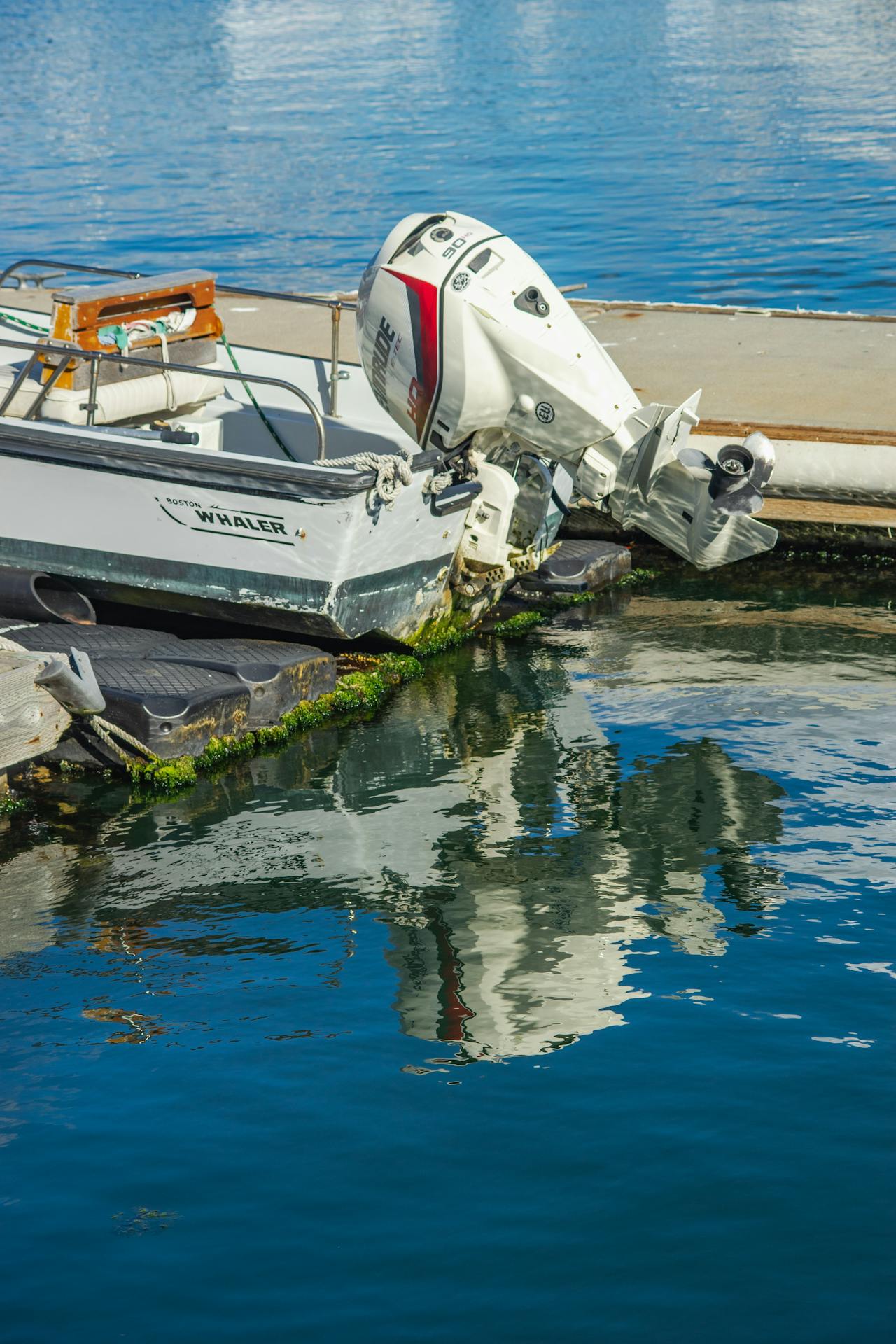
If you have an outboard, store it in the down position. This allows any remaining water to drain out. Cover the engine with a breathable cover to keep dust and debris away.
If your boat will sit outside, make sure it is properly covered and supported so snow and ice do not collect in low areas.
When to Call a Professional
While many boat owners handle winterizing on their own, some prefer professional service for peace of mind. If you are unsure about draining the cooling system, changing gear oil, or fogging the engine, it may be wise to have a trained technician take care of it.
A missed step can lead to costly damage. Cracked engine blocks, ruined seals, and fuel system problems are much more expensive than a winter service appointment.
Read similar posts
Do Pontoon Boats Have Bathrooms
How to winterize your boat in minnesota
How much does it cost to shrink wrap a boat
Get Ready for Next Season
Winterizing your boat motor is not just about putting it away. It is about making sure it starts smoothly when the ice melts and the lakes open again.
Taking the time to add fuel stabilizer, change fluids, protect internal parts, and store everything correctly will help your engine last longer and run better.
If you need supplies, parts, or professional service, our team is here to help. Proper winter care keeps your boat reliable and ready for another great season on the water.