
Nov 11th 2026
Why Are Ice Fishing Rods So Small?
So, Why Are Ice Fishing Rods So Small?
The answer is pretty simple.
You don't need a long rod when you're dropping your bait straight down through a hole in the ice. Let's discuss more.
If you've ever compared an ice fishing rod to a regular fishing rod, you've probably noticed a big difference in size. Most fishing rods are around 6 to 7 feet long, while ice fishing rods are usually only 24 to 36 inches.
At first, they might look too small to catch a decent-sized fish. But there's a good reason they're made that way.
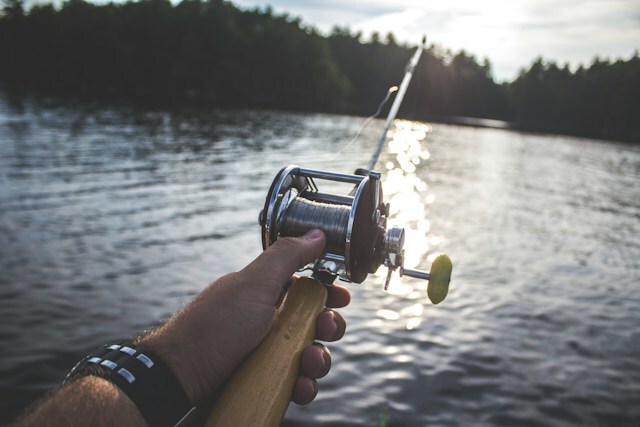
The main reason?
Ice fishing rods are small because you don't need to cast your line. Instead of throwing your bait out into the water, you drop it straight down through a hole in the ice. A shorter rod makes this easier and gives you better control when fishing in tight spaces.
Let's look at why these rods are so short and how to choose the right one for your next ice fishing trip.
You Don't Need to Cast Your Line
The biggest reason ice fishing rods are short is that there's no casting involved.
When you're fishing from a boat or the shore, you need a longer rod to cast your bait away from you. A longer rod helps you reach fish that are farther out in the water.
Ice fishing works differently.
You drill a hole in the ice, lower your bait into the water, and wait for a bite. Since you're fishing almost directly below your feet, there's no need for a long rod.
A short rod does everything you need without getting in the way.
Short Rods Are Easier to Use Inside an Ice Fishing Shelter
If you've spent time ice fishing in Minnesota, you know how nice it is to have a warm shelter when the wind picks up.
But ice fishing shelters don't always have much room.
Imagine trying to use a 7-foot fishing rod inside a small fish house. You'd probably hit the ceiling or bump into someone sitting next to you.
That's where a short ice fishing rod comes in handy.
A rod that's around 24 to 30 inches long is much easier to handle inside a shelter. You can move it up and down, set the hook, and reel in fish without worrying about hitting everything around you.
Shorter rods also work well when you're sitting close to the ice hole.
Small Rods Help You Feel Light Bites
Fish don't always bite aggressively during the winter.
Sometimes, a crappie or bluegill will barely touch your bait. If you're not paying attention, you might miss the bite completely.
Many ice fishing rods have soft, sensitive tips that help you notice these small movements.
When a fish takes your bait, you might see the tip bend slightly or feel a light tap through the handle.
A short rod can make it easier to control your bait and watch for those little bites.
However, rod length isn't the only thing that matters. The rod's flexibility and strength also play a big part in how well you can detect a bite.
Short Rods Give You Better Control When Jigging
Jigging is one of the most common ways to catch fish through the ice.
It involves moving your bait up and down in the water to get a fish's attention.
With a short rod, you can make small movements without lifting your arm too much.
For example, when you're fishing for crappies, you might only need to move your jig an inch or two. A short, light rod makes those small movements easier.
You can also stop the jig quickly and hold it steady when a fish comes close.
This is especially helpful when fish are being picky and won't chase a fast-moving bait.
They're Easier to Carry Around on the Ice
Ice fishing often means carrying quite a bit of gear.
Between your ice auger, tackle box, shelter, heater, and other supplies, there's already plenty to bring along.
A short fishing rod is one less thing to worry about.
It's easier to carry, store in a sled, and pack into your vehicle. If you like moving from hole to hole to find fish, a compact rod is especially convenient.
Just make sure you keep your rod protected during transport. The thin tips on some ice fishing rods can break if heavy equipment gets piled on top of them.
How Long Should an Ice Fishing Rod Be?
Not all ice fishing rods are the same size. Some are very short, while others are longer and better suited for fishing outside.
The best length depends on where you're fishing and what you're trying to catch.
Here's a simple guide:
For most beginners, a rod between 24 and 30 inches is a good place to start. It's short enough to use inside a fish house but still works well for many common Minnesota fish.
Can You Catch Big Fish With a Small Ice Fishing Rod?
Yes, you can catch big fish with a short ice fishing rod.
The size of the rod doesn't determine how big a fish you can catch.
What matters more is the rod's strength, your fishing line, and how you handle the fish.
For example, a short, medium-power ice fishing rod can work well for walleyes. For larger fish like northern pike, you'll usually want a stronger rod with enough backbone to handle the fight.
Your reel's drag is also important. It lets a strong fish pull out line without putting too much pressure on your rod or breaking your line.
Even though ice fishing rods look small, they're built to handle the kind of fishing they're used for.
Can You Use a Regular Fishing Rod for Ice Fishing?
You can, but it's usually not the best choice.
A regular fishing rod is much longer than an ice fishing rod, which makes it awkward to use over a small hole.
It can also be difficult to control your bait, especially if you're trying to make small jigging movements.
And if you're fishing inside a shelter, a regular rod may simply be too long.
An ice fishing rod is usually the better option because it's designed for fishing straight down through the ice.
You don't need an expensive setup to get started, either. A basic ice fishing rod and reel can work just fine for beginners.
What Type of Ice Fishing Rod Should You Choose?
Along with rod length, you'll want to think about the type of fish you're targeting.
Different fish call for different rod strengths.
An ultralight or light rod is a good choice. These fish often bite gently, so a sensitive rod helps you notice when something takes your bait.
A light rod works well for most perch fishing. It gives you enough sensitivity to feel smaller bites while still having some strength.
A medium-light or medium rod is often a better option. Walleyes can put up a stronger fight, so you'll want a rod that can handle them.
Look for a medium-heavy or heavy ice fishing rod, depending on the size of fish you're after. These fish are strong, and you'll want gear that can handle the extra pressure.
If you're just getting started, think about which fish you'll be targeting most often. You don't need a separate rod for every species right away.
Are Longer Ice Fishing Rods Better?
Not necessarily.
Longer ice fishing rods have their advantages, especially when you're fishing outdoors.
They can help you keep your line away from the edge of the ice hole and give you more room to work when fighting a fish.
Some anglers also prefer longer rods because they provide more flexibility during a fight.
But if you're fishing inside a small shelter, a longer rod can be inconvenient.
Neither option is always better. It comes down to how and where you fish.
Final Thoughts
Short ice fishing rods are easier to use inside shelters, help you control your bait, and make it easier to fish in small spaces. They're also convenient to carry when you're moving around on a frozen lake.
Whether you're fishing for crappies, walleyes, perch, or northern pike, there's a short ice fishing rod made for the job.
Get Ready for Ice Fishing Season!
If you're getting ready for ice fishing season in Central Minnesota, stop by Channel Marine & Sports in Richmond, MN. We're located near the Sauk River Chain of Lakes, about 20 minutes west of St. Cloud.
Visit Channel Marine & Sports