
Oct 20th 2026
What Live Bait Can You Use in Minnesota?
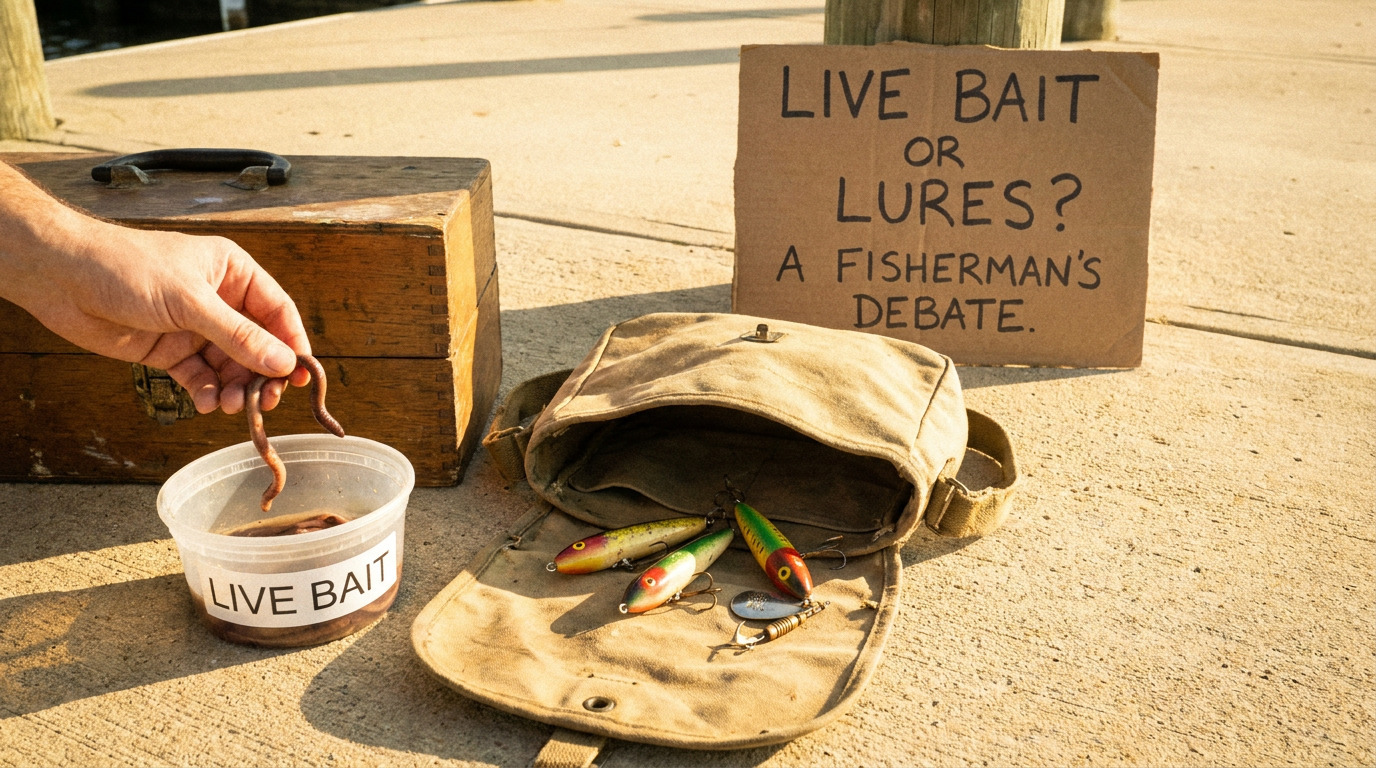
Fishing is a favorite pastime in Minnesota, especially with so many lakes and rivers to explore. Whether you're fishing for walleyes, bass, northern pike, or panfish, the bait you use can make a big difference.
Live bait is a popular choice because fish are naturally attracted to it. But before you fill your bait bucket and head out on the water, it's important to know what live bait is legal in Minnesota.
The Minnesota Department of Natural Resources (DNR) has rules about which bait you can use, where you can collect it, and how you should handle it. Here's what you need to know before your next fishing trip.
What Live Bait Is Legal in Minnesota?
Minnesota allows several types of live bait, including minnows, leeches, nightcrawlers, worms, insects, and certain frogs. Crayfish and some other baitfish can also be used, but they have additional restrictions.
Let's look at some common options.
1. Minnows
Minnows are one of the most popular live baits in Minnesota. They're a great option for catching walleyes, northern pike, crappies, and bass.
Common baitfish include:
- Fathead minnows
- Golden shiners
- Creek chubs
- Sucker minnows
Minnows work well because their natural movement attracts hungry fish. You can fish them under a bobber, on a jig, or with a live bait rig.
Live minnows must come from a legal source. You cannot bring live minnows into Minnesota from another state. Some species and fishing waters also have special restrictions. Buying from a licensed Minnesota bait dealer is a good way to avoid problems.
2. Leeches
Leeches are another favorite among Minnesota anglers, especially when fishing for walleyes. They're easy to use and stay active in the water, making them a good choice during the warmer months.
Leeches are commonly used for:
- Walleye
- Smallmouth bass
- Largemouth bass
- Panfish
You can hook a leech through the sucker end and fish it with a slip bobber or live bait rig.
Live leeches are legal in many Minnesota waters, but you cannot import them from another state. There are also restrictions on collecting leeches from certain lakes and rivers.
3. Nightcrawlers and Earthworms
If you're looking for simple, affordable fishing bait, it's hard to go wrong with nightcrawlers. Worms are easy to find, simple to put on a hook, and work for several types of fish.
They can help you catch:
- Sunfish and bluegills
- Crappies
- Walleyes
- Bass
- Catfish
You can use a whole nightcrawler when targeting larger fish or cut one into smaller pieces when fishing for panfish.
Nightcrawlers and earthworms are generally legal to use as fishing bait. Never dump leftover worms on the ground or near a lake. Earthworms are not native to Minnesota and can harm forests. Put unwanted worms in the trash instead.
4. Wax Worms and Other Insect Larvae
Wax worms, mealworms, and other insect larvae are popular for catching smaller fish. They're especially useful for ice fishing, but you can also use them during open-water fishing.
These baits are commonly used for:
- Bluegills and sunfish
- Crappies
- Perch
A small hook tipped with a wax worm can work well when fish aren't biting on larger bait.
Insects and larvae are generally allowed as live bait. Make sure the bait you're using is permitted in the water where you plan to fish.
5. Frogs
Frogs can be used as live bait in Minnesota, although they're not as commonly used as minnows or worms. Some anglers use frogs when targeting larger predatory fish.
The DNR allows certain frogs to be used as bait, but there are rules about collecting them, their size, and the open season. Frogs used for bait generally must be no longer than six inches. The regular frog-taking season runs from May 16 through March 31. Check the current DNR rules before collecting frogs.
6. Crayfish
Crayfish are another natural food source for many Minnesota fish, especially bass. They can be useful when fishing around rocks, near shorelines, or in areas where crayfish are common.
Live crayfish can only be used as bait in the same body of water where they were caught. You cannot move live crayfish from one lake to another for fishing. Live crayfish also cannot be sold for bait in Minnesota, and certain waters prohibit their use altogether.
What Live Bait Is Not Allowed in Minnesota?
Not everything you catch or find in the water can be used as bait. Minnesota prohibits using certain fish and animals as bait, including:
- Goldfish
- Carp
- Whole game fish or parts of game fish
- Salamanders, including mudpuppies
- Prohibited invasive species
There are special rules for specific waters, including Lake Superior. You also cannot bring live minnows or leeches into Minnesota from another state.
These rules help protect Minnesota lakes and rivers from invasive species and fish diseases.
Can You Catch Your Own Live Bait in Minnesota?
Yes, you can collect certain types of live bait in Minnesota if you follow the DNR regulations. For example, anglers with a valid fishing license can collect minnows and leeches for personal use in many waters where bait harvesting is allowed.
However, there are restrictions. You generally cannot harvest minnows or leeches from:
- State park waters
- Designated trout waters without a special permit
- Most waters listed as infested with aquatic invasive species
- Certain other restricted waters
There are also rules about the traps and nets you can use. If you're planning to catch your own bait, check the regulations for that particular lake or river first.
Can You Move Live Bait Between Minnesota Lakes?
This is one of the most important rules to understand.
You cannot transport lake or river water from one fishing location to another. If you have leftover live minnows or leeches that you want to keep, you must drain the lake water from your bait container and replace it with tap, well, or bottled water before leaving.
There are limited exceptions for ice fishing.
Before Leaving the Lake
- Never release leftover bait into a lake or river.
- Never dump bait bucket water into another lake.
- Throw away unwanted bait in the trash.
- Clean aquatic plants and debris off your boat and fishing equipment.
- Drain your livewell, bilge, and other water-holding equipment before leaving the lake.
These small steps help keep invasive species from spreading between Minnesota lakes.
What Is the Best Live Bait for Fishing in Minnesota?
The best live bait depends on what you're trying to catch. Here's a quick guide to help you choose.
| Fish Species | Common Live Bait Choices |
|---|---|
| Walleye | Minnows, leeches, nightcrawlers |
| Northern Pike | Larger minnows, sucker minnows |
| Largemouth Bass | Minnows, nightcrawlers, leeches |
| Smallmouth Bass | Leeches, minnows, nightcrawlers |
| Crappie | Small minnows, wax worms |
| Bluegill and Sunfish | Worms, wax worms, insect larvae |
| Yellow Perch | Small minnows, worms, wax worms |
| Catfish | Nightcrawlers, legal baitfish |
If you're fishing around Richmond, MN, or on the Sauk River Chain of Lakes, minnows, leeches, and nightcrawlers are all good options to consider.
Fish activity can change with the season, water temperature, and weather, so it helps to bring more than one type of bait.
Tips for Keeping Live Bait Fresh
Live bait works best when it's healthy and moving naturally. A few simple habits can help keep your bait in good shape while you're fishing.
Minnows and leeches can struggle when the water gets too warm. Keep bait containers out of direct sunlight when possible.
Too many minnows in a small container can quickly use up the available oxygen.
A portable bait bucket aerator can help keep minnows alive during a long day of fishing.
Avoid squeezing minnows or leeches too hard when putting them on the hook.
If you plan to take leftover bait home, have fresh water ready so you can follow Minnesota's bait transportation rules.
Taking care of your bait can help you spend more time fishing and less time replacing dead minnows.
Check Minnesota Fishing Regulations Before You Go
Minnesota fishing rules can change, and some lakes have restrictions that don't apply elsewhere. Before your trip, it's worth checking the latest information from the Minnesota DNR.
View Minnesota DNR Fishing Regulations ↗
Pay extra attention to bait restrictions if you're fishing in designated trout waters or lakes listed as infested with aquatic invasive species.
Channel Marine & Sports
Get Ready for Your Next Fishing Trip
Choosing the right live bait is just one part of getting ready for a day on the lake. Having a dependable boat and the right equipment matters, too.
At Channel Marine & Sports in Richmond, MN, we help local boaters and anglers enjoy their time on the water. Located near the Sauk River Chain of Lakes, we offer boats, marine services, docks, and boat lifts for people who love spending time at the lake.
Whether you're getting your fishing boat ready for the season, looking into a boat rental, or planning a new dock for your lake property, we're here to help.
Contact Channel Marine & SportsGet your gear ready, check the fishing regulations, and enjoy your next day on the water.
Frequently Asked Questions
Are live minnows legal in Minnesota?
Yes, live minnows are legal in many Minnesota lakes and rivers. However, you must follow the state's rules about bait species, where the minnows come from, and how they're transported. Live minnows are not allowed on designated stream trout lakes.
Can you use live worms for fishing in Minnesota?
Yes. Nightcrawlers, earthworms, and other common fishing worms are generally legal to use in Minnesota. Always throw away leftover worms rather than releasing them outdoors.
Can you bring live bait into Minnesota from another state?
You cannot bring live minnows or leeches into Minnesota from another state. Other types of live bait may have their own import restrictions.
Can you use bluegills as live bait in Minnesota?
No. Bluegills are game fish, and Minnesota generally prohibits using whole game fish or parts of game fish as bait.
Can you use live crayfish as bait in Minnesota?
Yes, but only in the same body of water where the crayfish were caught, and not in waters where crayfish bait is specifically prohibited. You cannot transport live crayfish to another lake for bait.
What is the best live bait for walleye in Minnesota?
Minnows, leeches, and nightcrawlers are three of the most common choices for walleye fishing in Minnesota. The best option often depends on the time of year and fishing conditions.