
Oct 13th 2026
Is Live Bait Better Than Lures?
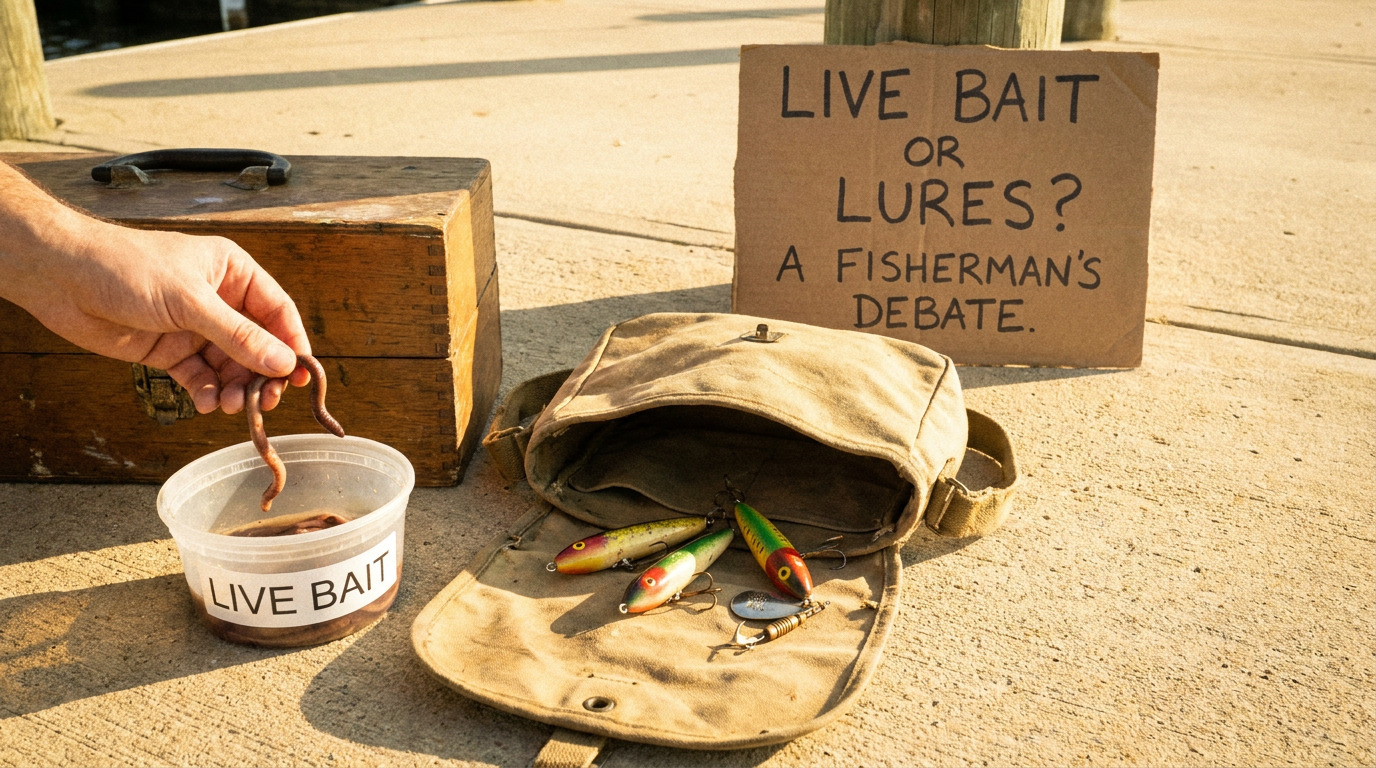
Is live bait better than lures? It depends on what you're fishing for, the water conditions, and how active the fish are. Live bait often works better when fish are slow to bite, while artificial lures can be more effective when fish are actively feeding.
Both methods can catch plenty of fish. The trick is knowing when to use each one.
If you're fishing for walleye, bass, or panfish in Minnesota, here's what you should know before choosing between live bait and lures.
Live Bait
A great option for slower fishing and natural presentations.
- Worms and nightcrawlers
- Minnows and leeches
- Ideal for many panfish and walleye situations
Artificial Lures
A versatile choice for covering water and finding active fish.
- Jigs and crankbaits
- Spinnerbaits and soft plastics
- Useful for bass, pike, and many other species
What Is the Difference Between Live Bait and Lures?
Live bait is natural food used to catch fish. Common choices include nightcrawlers, minnows, leeches, and worms. These attract fish through their natural smell, movement, and appearance.
Artificial lures are designed to look or move like something fish eat. Some resemble minnows, while others create flashes, vibrations, or movement that get a fish's attention.
Popular fishing lures include:
- Jigs: Good for catching walleye, bass, and panfish.
- Crankbaits: Designed to resemble small swimming fish.
- Spinnerbaits: Use flashing blades and vibration to attract fish.
- Soft plastics: Resemble worms, minnows, and other small creatures.
- Topwater lures: Move along the surface and can attract bass and northern pike.
Both methods work, but they don't always perform equally well in the same conditions.
When Is Live Bait Better Than Lures?
Live bait is often a good choice when fish aren't biting much. Since it resembles something fish naturally eat, they may be more willing to take it.
1. When Fish Are Less Active
Fish don't always want to chase their food. Cold water, changing weather, and other conditions can make them less active.
A live minnow or nightcrawler moving slowly near a fish may get a bite when a fast-moving lure doesn't.
2. When You're Fishing for Walleye
Walleye are a popular catch in Central Minnesota, and live bait is a common choice for catching them.
Minnows, leeches, and nightcrawlers can all work well, depending on the season and conditions. A jig tipped with a minnow can be effective in cooler water, while a nightcrawler on a spinner rig can be another good option during warmer months.
3. When You're Fishing With Kids or Beginners
Live bait can make fishing easier for someone who's just getting started. A simple hook, bobber, and worm can catch bluegill, sunfish, and other panfish without much effort.
You don't need to worry about making a lure swim the right way. Just cast your line, watch the bobber, and wait for a bite.
4. When Fishing in One Spot
If you're fishing from a dock or anchored boat, live bait can be a practical option. You can leave a worm or minnow in the water and let its natural movement attract fish.
This works especially well around docks, weed edges, and other places where fish like to hang out.
When Are Artificial Lures Better Than Live Bait?
1. When You Want to Cover More Water
Lures let you fish a larger area without constantly stopping to check or replace your bait. Cast a crankbait, spinnerbait, or jig along weed lines, rocky shorelines, and other areas to find where fish are feeding.
This is particularly helpful when you're fishing a new lake and aren't sure where the fish are.
2. When Fish Are Actively Feeding
When bass, northern pike, or walleye are chasing smaller fish, a moving lure can get their attention. Crankbaits, spinnerbaits, and topwater lures can trigger bites from fish that are ready to chase food.
Sometimes a moving lure works better than live bait because it gets noticed faster.
3. When You Don't Want to Deal With Live Bait
Live bait needs proper care. Minnows need suitable water and enough oxygen, while worms need to stay cool.
Artificial lures don't have those problems. You can keep them in your tackle box, reuse them on future trips, and switch between different styles whenever you want.
4. When You're Targeting Larger Fish
Artificial lures are popular for catching bass, northern pike, and muskies. Larger crankbaits, bucktails, spinnerbaits, and topwater lures can attract predatory fish looking for a meal.
Live bait can catch larger fish too, but lures give you more control over how fast and where you fish.
Live Bait vs. Lures: Which Works Better for Different Fish?
The type of fish you're trying to catch can help you decide what to use.
Walleye
Live minnows, leeches, and nightcrawlers are good choices for walleye, especially when the bite is slow. Jigs, crankbaits, and soft plastics can also catch walleye when fish are active or spread out across a larger area.
Best choice: Start with live bait when fishing slowly. Try crankbaits or other moving lures when you want to cover more water.
Bass
Bass will bite both live bait and artificial lures. Live nightcrawlers and minnows can work, but many bass anglers prefer soft plastic worms, jigs, spinnerbaits, and topwater lures.
Best choice: Artificial lures are a good starting point, especially when covering shallow water, weed edges, docks, and fallen trees.
Crappie and Bluegill
Live bait is hard to beat for panfish. A small worm or minnow under a bobber can work well for bluegill and crappie. Small jigs and soft plastics also catch plenty of panfish, particularly when moving around to find schools.
Best choice: Live bait is often the easiest option, especially for beginners and families.
Northern Pike
Northern pike are aggressive predators that often strike moving lures. Spinnerbaits, spoons, and crankbaits are popular choices because they create movement and flash in the water. Live minnows can also work where their use is allowed.
Best choice: Artificial lures are useful for finding active pike around weed beds and shallow areas.
Does Live Bait Work Better in Cold Water?
Live bait can have an advantage in cold water because fish often move more slowly and may be less willing to chase fast-moving food.
A live minnow presented slowly can be effective for walleye and other fish during cooler parts of the year.
However, lures can still work in cold water. Small jigs, soft plastics, and other lures fished slowly can catch fish too. The important part is matching your fishing speed to how the fish are behaving.
Can You Use Live Bait and Artificial Lures Together?
Yes. Combining live bait with artificial tackle is a popular way to catch fish in Minnesota.
One common example is tipping a jig with a live minnow or piece of nightcrawler. The jig adds weight and makes it easier to control where you're fishing, while the live bait adds natural movement and scent.
This combination can work well for walleye, perch, and other fish. Always make sure your hook setup and bait use comply with Minnesota fishing regulations.
Is Live Bait Cheaper Than Artificial Lures?
Live bait usually costs less to buy at one time, but you'll need to purchase more when you run out or when it dies.
Artificial lures can cost more upfront, especially larger crankbaits and specialty lures. However, you can use the same lure on many fishing trips as long as you don't lose or damage it.
For someone who only fishes occasionally, a container of worms and a few hooks may be all they need. If you fish regularly, keeping a selection of artificial lures can save you money over time.
Tips for Choosing Between Live Bait and Lures
Not sure what to use on your next fishing trip? Keep these simple tips in mind.
- Start with live bait when the bite is slow. A minnow or nightcrawler may work when fish aren't chasing lures.
- Use lures to find active fish. Crankbaits and spinnerbaits can help you cover more water.
- Think about the season. Fish may respond differently to live bait and lures as water temperatures change.
- Match your bait to the fish. Small worms are useful for panfish, while larger lures are common for pike and muskies.
- Bring both if you can. If one method isn't working, switching to the other might make a difference.
Remember Minnesota's bait rules
Never release leftover live bait into a lake or river. Check current Minnesota fishing regulations for restrictions on minnows, bait species, and transporting or disposing of unused bait.
So, Is Live Bait Better Than Lures?
Live bait isn't always better than lures, but it can be the easier choice when fish are picky or you're fishing slowly in one area.
Artificial lures are useful when you want to cover more water, find active fish, or avoid buying and keeping live bait.
For most anglers, having both available is a good idea.
If the fish aren't biting on a lure, try a live minnow or nightcrawler. If you're sitting in one spot without getting bites, try moving around with a jig or crankbait.
Sometimes changing what you're using is all it takes to start catching fish.
Get Your Live Bait and Fishing Tackle at Channel Marine & Sports
Planning a fishing trip around Richmond, MN, or the Sauk River Chain of Lakes?
Stop by Channel Marine & Sports before heading out on the water.
We carry live bait, including worms and minnows, along with fishing tackle for walleye, bass, panfish, and other Minnesota fish. You'll also find fishing rods, reels, jigs, crankbaits, and other gear for your next trip.
Whether you're fishing from a dock or heading out in a boat, we can help you find what you need.
Channel Marine & Sports | Richmond, Minnesota