
Jul 19th 2026
How to Tie a Pontoon Boat to a Dock
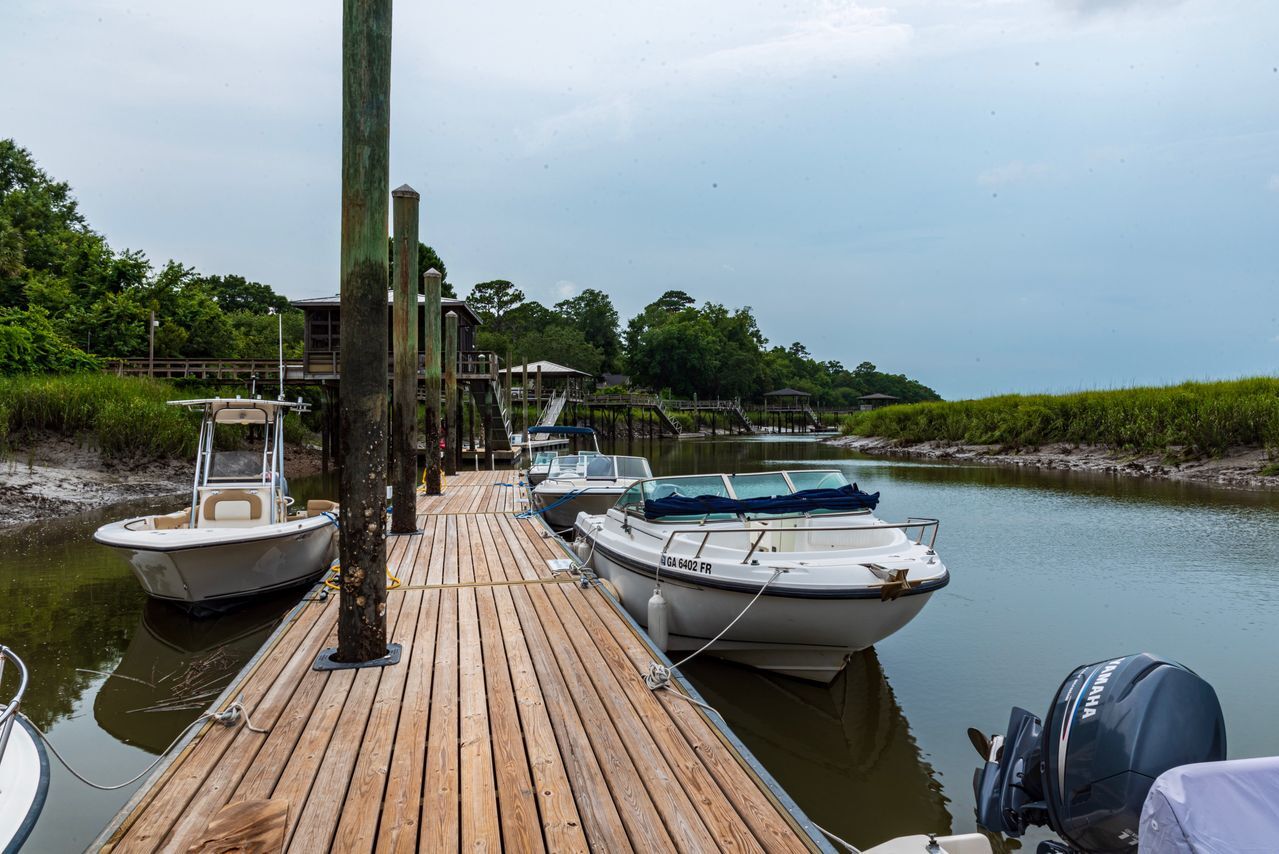
To safely tie a pontoon boat to a dock, position the boat parallel to the dock and secure the bow and stern lines to the dock cleats using a reliable knot like the cleat hitch. Next, attach a spring line from the center of the pontoon to a dock cleat to restrict forward and backward drifting. Finally, hang boat fenders over the side between the aluminum pontoons and the dock structure to absorb impacts and prevent scraping. Lets discuss this more..
The goal is to hold the pontoon close enough for safe boarding without tying it so tight that the lines, cleats, or boat take all the force from the wind and waves.
Here is a simple way to tie your pontoon to a dock safely.
Contact Channel Marine & Sports
What You Need
Before pulling up to the dock, have these items ready:
- At least two dock lines for a short stop
- Four dock lines for longer stays or overnight docking
- Two or three boat fenders
- Strong cleats on the pontoon and dock
Use marine dock lines that are in good condition. Replace any line that is stiff, badly faded, cut, or starting to fray.
Do not use bungee cords or light utility rope as your main dock lines. They may stretch too far, break, or come loose.
Step 1: Get Your Lines and Fenders Ready
Set up your dock lines and fenders before you reach the dock. It is much easier to do this while you still have room to move.
Place the fenders on the side of the pontoon that will be next to the dock. Adjust their height so they sit between the dock and the pontoon boat.
The fenders should protect the pontoon tubes and side of the boat. If they hang too high or too low, they may not stop the boat from rubbing against the dock.
Step 2: Approach the Dock Slowly
Bring the pontoon toward the dock at idle speed. Slow is always easier to control.
Pay attention to the wind. Pontoon boats have tall sides and a wide deck, so even a light wind can push them around. When possible, approach into the wind instead of letting the wind push you sideways.
Do not ask anyone to jump from the pontoon onto the dock. Bring the boat close enough that a passenger can step onto the dock safely while holding a dock line.
Keep hands, feet, and legs inside the boat while you are coming alongside the dock. Let the fenders do the work.
Step 3: Secure the Bow Line
The bow is the front of the pontoon.
Attach a dock line to a strong bow cleat on the boat. Run the other end to a cleat on the dock near the front of the pontoon.
This line helps keep the front of the boat from drifting away from the dock.
Do not tie the line to the pontoon’s fence, railing, seat frame, or Bimini top. These parts are not made to hold the weight and movement of the boat. Always use a proper boat cleat.
Step 4: Secure the Stern Line
The stern is the back of the pontoon.
Attach another line to a stern cleat and run it to a dock cleat near the back of the boat.
With the bow and stern lines in place, the pontoon should stay beside the dock. However, it may still move forward and backward. That is where spring lines help.
Step 5: Add Spring Lines
Spring lines run at an angle between the boat and dock. They keep the pontoon from sliding forward and backward.
For a secure setup, use two spring lines:
- Run one line from the back of the pontoon toward a dock cleat farther forward.
- Run the other line from the front of the pontoon toward a dock cleat farther back.
The crossed angles help hold the boat in one position.
Spring lines are especially helpful when leaving your pontoon tied up overnight or when the dock gets regular waves from passing boats.
Step 6: Use a Cleat Hitch
A cleat hitch is the standard way to fasten a dock line to a cleat. It holds well but can still be removed without fighting a tight knot.
To tie a cleat hitch:
- Wrap the line around the base of the cleat.
- Cross the line over the top in a figure-eight pattern.
- Finish with a locking turn around one cleat horn.
- Pull the line snug and make sure it cannot slip off.
You do not need a large pile of wraps. A clean cleat hitch is easier to check and untie.
Step 7: Leave the Right Amount of Slack
Dock lines should be snug, but they should not be pulled as tight as possible.
A little slack allows the pontoon to move with small waves. Lines that are too tight can jerk hard against the boat and dock cleats.
At the same time, do not leave so much slack that the boat can hit the dock, nearby boats, or dock posts.
After tying up, gently push the pontoon away from the dock and pull it forward and backward. This will show you how far it can move. Adjust the lines until the fenders stay in place and the boat cannot strike anything.
Tying to a Floating Dock vs. a Fixed Dock
A floating dock moves up and down with the boat, so shorter dock lines usually work well.
A fixed dock stays at one height. Leave enough line for the boat to move as the water level changes or waves pass through. Longer lines placed at an angle usually handle movement better than short, tight lines.
Even on Central Minnesota lakes, water levels, wind, boat traffic, and storms can change how the pontoon sits at the dock.
How Many Dock Lines Should You Use?
For a quick stop in calm water, a bow line and stern line may be enough.
For longer stays, use four lines:
- One bow line
- One stern line
- One forward spring line
- One backward spring line
Add extra lines when strong wind or rough weather is expected. It is also smart to check the boat after a storm or a major wind shift.
Common Pontoon-Tying Mistakes
Tying to the Railing
Pontoon railings are not dock cleats. A strong pull can bend or damage them.
Forgetting the Fenders
Dock lines hold the boat in place. Fenders keep the boat from scraping against the dock. You need both.
Making the Lines Too Tight
A boat needs room to move with the water. Overly tight lines can strain cleats and hardware.
Leaving Too Much Slack
Too much movement can cause the pontoon to hit the dock or pull the fenders out of position.
Using Worn Dock Lines
Old lines can break when the wind picks up. Check them often for fading, cuts, stiff spots, and frayed areas.
Using Only One Line
One line may keep the boat from floating away, but it will not control both ends of the pontoon.
Check Everything Before Walking Away
Before leaving your pontoon at the dock, take one final look:
- Bow and stern lines are secure
- Spring lines limit forward and backward movement
- Cleat hitches are properly tied
- Fenders cover the contact points
- Lines are not rubbing against sharp edges
- The pontoon cannot hit the dock, lift, or another boat
It only takes a minute, and it can prevent damage later.
Read similar posts
How to attach a tow rope to a pontoon boat
Do pontoon boats have bathrooms
How fast does a pontoon boat go
Need Help With Your Pontoon or Dock?
A good dock setup makes it easier to board, unload, and enjoy your pontoon.
Channel Marine & Sports works with pontoon owners and lake homeowners in Richmond, the Sauk River Chain of Lakes, and communities across Central Minnesota. We can help with pontoons, custom docks, boat lifts, dock installation, dock repair, marine service, and seasonal storage.
Contact Channel Marine & Sports or stop by our Richmond, Minnesota location to talk with our team.