
Oct 6th 2026
How to pick a fishing rod?
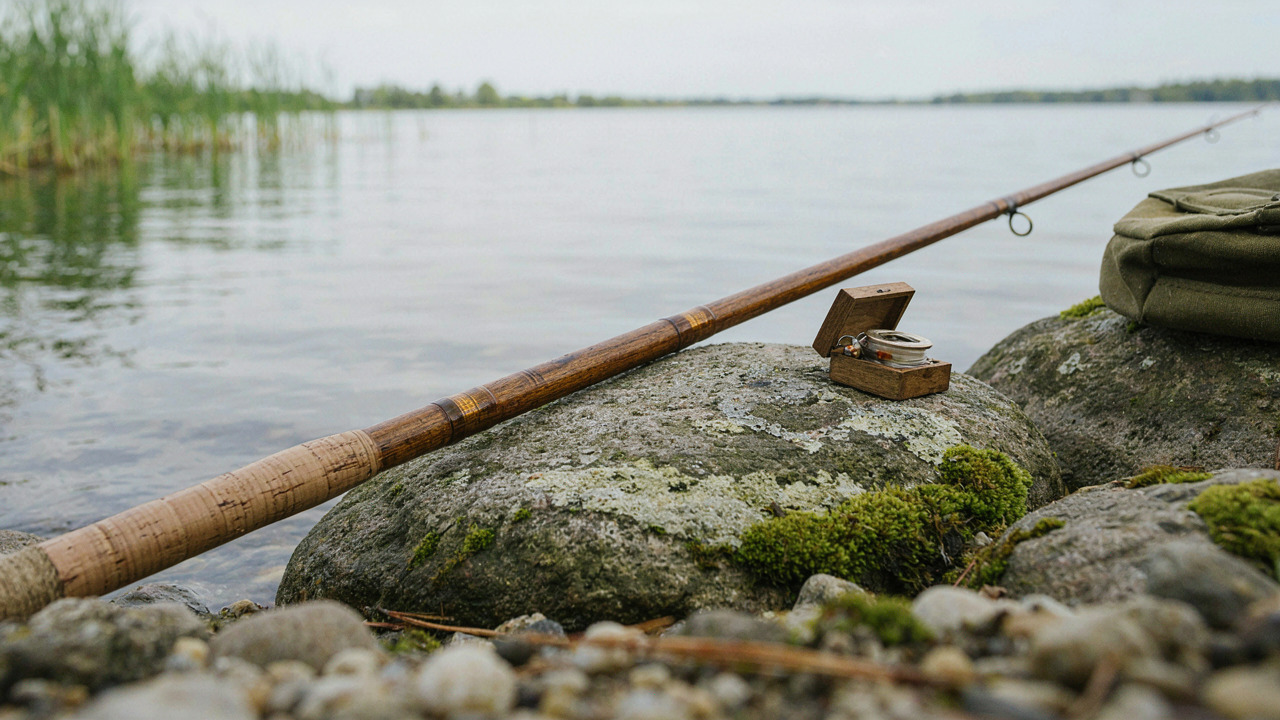
Picking a fishing rod can feel confusing when you see all the different lengths, powers, actions, and styles on the rack. The good news is that you do not need to know every technical detail to find a rod that works well for you.
The right fishing rod mostly comes down to what you plan to fish for, where you will be fishing, and what kind of lure or bait you like to use.
Here is a simple way to narrow down your choices.
Start With the Type of Fish You Want to Catch
Before looking at rod length or action, think about what you are fishing for most often.
A rod for panfish such as crappies, bluegills, and perch will usually be lighter than a rod you would use for northern pike or larger bass.
For many Minnesota anglers, a medium-light or medium spinning rod is a good place to start. It can handle many common freshwater fishing situations without being too heavy or too specialized.
If you fish for several different species, a medium-power rod is often a useful all-around choice.
Choose the Right Rod Length
Fishing rods come in many lengths, but most freshwater rods fall somewhere between about 6 and 8 feet.
Rod length affects casting distance, accuracy, and how the rod feels in your hands.
Shorter Rods
A shorter rod can give you better control when making close, accurate casts.
They can work well when fishing around docks, trees, weeds, or other tight areas.
Longer Rods
Longer rods usually help you cast farther and can pick up more fishing line when you set the hook.
They are useful when you are fishing open water or trying to cover more distance.
For general fishing, a rod around 6 feet 6 inches to 7 feet is a comfortable choice for many anglers.
Understand Fishing Rod Power
Rod power tells you how much pressure it takes to bend the rod.
You will usually see rods labeled:
Lighter rods are better suited for smaller fish, lighter line, and small lures.
Heavier rods are built for larger fish, heavier line, and bigger lures.
For example, an ultralight rod can make catching bluegills and crappies a lot of fun because you can feel every movement. A medium-heavy rod is much better suited for pulling a bass or northern pike away from thick weeds.
Tip: Always check the recommended lure weight and fishing line printed on the rod. That gives you a quick idea of what the rod was built to handle.
What Does Rod Action Mean?
Rod action describes where the rod bends when pressure is applied.
The three common choices are fast, moderate, and slow.
Fast Action
A fast-action rod bends mostly near the tip.
These rods are sensitive, making it easier to feel bites and quickly set the hook. Fast-action rods are popular for many bass and walleye fishing techniques.
Moderate Action
A moderate-action rod bends farther down the blank. It has a little more give, which can help keep fish hooked when using moving baits such as crankbaits.
Slow Action
A slow-action rod bends through much of its length. These rods are usually used for specific fishing styles and are less common as an everyday freshwater rod.
If you are looking for one rod for several types of fishing, a fast or moderate-fast action is usually a good place to start.
Spinning Rod or Baitcasting Rod?
Another decision is whether you want a spinning setup or a baitcasting setup.
Spinning Rods
Spinning rods are easy to use and work well with lighter lures and fishing line.
They are a good choice for beginners, but plenty of experienced anglers use them too. They are especially common for walleye, panfish, and finesse-style bass fishing.
If you want something simple and useful for many fishing situations, a spinning rod and reel combination is hard to beat.
Baitcasting Rods
Baitcasting setups give anglers more control when using heavier lures and line.
They are popular for bass fishing, northern pike, and fishing around thick cover.
There is a little more of a learning curve because the reel can backlash if it is not adjusted correctly. Once you get comfortable with one, though, a baitcaster can offer excellent casting control.
Think About the Lures You Use
The lure you plan to throw also matters when choosing a rod.
Small jigs and lightweight presentations usually work better on lighter rods.
Larger crankbaits, spinnerbaits, swimbaits, and other heavier lures need a rod that can handle the extra weight.
Look at the side of the rod before buying it. Most rods list a recommended lure weight.
For example, you may see something like:
Staying within that range will usually give you better casting and help the rod work the way it was designed to.
Do Not Forget How the Rod Feels
Specifications are helpful, but comfort matters too.
Pick up the rod and hold it like you would while fishing. Pay attention to the handle, weight, balance, and grip.
If you fish for several hours at a time, a rod that feels heavy or awkward can become uncomfortable.
A rod does not have to be the most expensive one in the store to work well. It needs to match the type of fishing you do and feel comfortable in your hands.
A Good All-Around Fishing Rod
If you are new to fishing or simply want one setup that can handle a little bit of everything, consider something close to:
That type of rod can work for many common Minnesota fish, including walleye, bass, crappies, and other freshwater species.
As you spend more time fishing, you may decide to add rods made for certain techniques or species.
Match the Rod With the Right Reel and Line
The rod is only one part of the setup.
Your reel and fishing line should match the rod and the type of fishing you plan to do.
For example, putting a large reel and heavy line on an ultralight rod will make the setup feel unbalanced. On the other hand, a small reel with light line is not a good match for a heavy rod meant for large fish.
Check the rod's line rating and pair it with a reel that fits comfortably on the rod.
Stop By Channel Marine & Sports in Richmond, MN
Choosing a fishing rod is easier when you can hold a few different options and compare how they feel.
Channel Marine & Sports is located in Richmond, Minnesota, in the heart of Central Minnesota and the Sauk River Chain of Lakes. Whether you are getting ready for a day of fishing, spending time at the cabin, or heading out on your boat, we can help you find fishing gear that fits the way you fish.
Stop by Channel Marine & Sports in Richmond, MN, and take a look at our live bait and tackle selection before your next trip to the lake.
Contact Us