
Nov 4th 2026
Can Pontoon Boats Go in the Ocean?
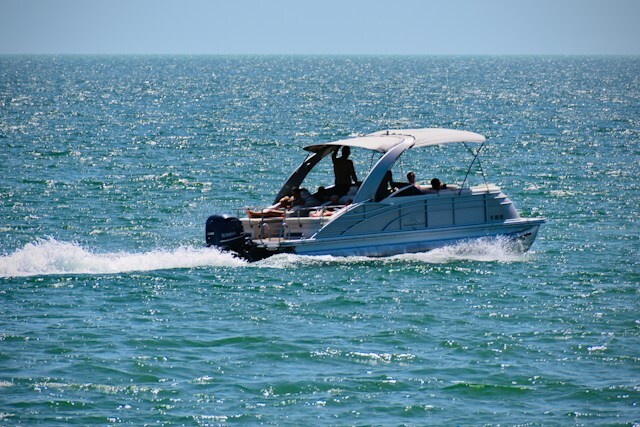
Yes, pontoon boats can go in the ocean, but that doesn't mean every pontoon boat is built for it. Most pontoons are designed for calm lakes, rivers, and protected waterways.
Taking one into the ocean comes with extra risks, especially when the wind picks up and the waves get bigger.
Some pontoon boats can handle calm saltwater conditions, while others should stay in freshwater. It depends on the boat's design, the weather, and how far you plan to travel.
Before you head out, it's important to know what your pontoon can safely handle.
Are Pontoon Boats Safe in the Ocean?
Pontoon boats can be safe in certain ocean conditions, but they aren't the best choice for rough or open water.
Unlike many ocean boats, pontoons have a wide, flat deck supported by two or three aluminum tubes. This design makes them stable and comfortable on calm water.
However, large waves can make them harder to control. When a pontoon hits a big wave, water can wash over the front deck.
Strong winds and changing currents can also make steering more difficult.
That's why it's best to use a pontoon in protected coastal areas rather than taking it far offshore.
Can Pontoon Boats Handle Saltwater?
Yes, pontoon boats can handle saltwater, but saltwater requires more maintenance than freshwater.
Most pontoon tubes are made from aluminum. Although aluminum doesn't rust like steel, it can still corrode when exposed to saltwater.
Over time, saltwater can damage metal parts, electrical connections, and other boat components if they aren't properly protected and maintained.
If you plan to use your pontoon in saltwater, here are a few things to remember:
- Rinse the boat with fresh water after every trip.
- Flush the motor according to the manufacturer's instructions.
- Check the pontoons and metal fittings for signs of corrosion.
- Make sure the boat has the right corrosion protection for saltwater use.
- Avoid leaving the pontoon sitting in saltwater for long periods unless it's properly equipped for that use.
Some manufacturers offer pontoons with special saltwater packages. These may include additional corrosion protection and materials better suited for coastal conditions.
Before using your boat in the ocean, check the owner's manual or ask the manufacturer whether it is approved for saltwater use.
What Type of Pontoon Boat Is Best for the Ocean?
Not all pontoon boats are built the same. Some have features that help them perform better in choppy water.
1. Tritoon Boats
A tritoon has three floating tubes instead of two. The extra tube can improve support, handling, and performance, especially on larger bodies of water.
Tritoons are often a better choice than traditional two-tube pontoons when conditions get choppy.
However, having three tubes doesn't automatically make a boat safe for offshore use. You still need to check the manufacturer's recommendations.
2. Pontoons With Larger Tubes
Larger pontoon tubes can provide more buoyancy and help support the boat's weight.
This can be useful when carrying passengers, fishing equipment, or other supplies.
Still, larger tubes don't guarantee that a pontoon can safely handle ocean waves.
3. Pontoons Made for Saltwater
Some pontoon manufacturers offer boats designed for coastal use.
These boats may have better corrosion protection, stronger construction, and parts made to handle saltwater exposure.
If you plan to use a pontoon regularly near the coast, look for a model specifically approved for those conditions.
What Are the Risks of Taking a Pontoon Boat Into the Ocean?
The ocean is different from a lake. Even when the water looks calm, conditions can change quickly.
Here are some of the biggest risks to consider.
Large waves
Pontoon boats don't cut through waves the same way many V-shaped hull boats do.
Rough water can cause heavy bouncing, water coming over the deck, and loss of control.
Strong currents
Ocean currents can move a boat away from its planned route, especially if the engine loses power.
Sudden weather changes
A calm morning can turn into a windy afternoon.
Pontoon boats have a lot of surface area above the water, which makes them more affected by strong winds.
Saltwater corrosion
Repeated saltwater exposure can damage parts of the boat and motor without proper care.
Distance from shore
If something goes wrong offshore, getting help can take longer.
Most pontoons aren't designed for long trips into open ocean water.
For these reasons, staying in protected waters is usually the safer choice.
How Far Can a Pontoon Boat Go Into the Ocean?
There isn't one safe distance that applies to every pontoon boat.
A pontoon that's suitable for a calm, sheltered coastal bay may not be safe just a short distance offshore when waves and wind are strong.
The safe operating area depends on:
- The boat's design and manufacturer's limits
- Wave height and water conditions
- Wind speed and direction
- Engine condition and available fuel
- Number of passengers and total weight
- The operator's experience
Even if you have a powerful engine, that doesn't mean your pontoon is built for offshore boating.
If you're unsure whether your boat can handle a particular area, it's better to stay in protected water.
Tips for Taking a Pontoon Boat Into Saltwater?
If your pontoon is approved for coastal use, a little preparation can make your trip safer.
Check the Weather Before Leaving
Always look at the marine weather forecast before heading out.
Pay attention to wind speeds, wave heights, tides, and possible storms.
If rough conditions are expected, choose another day.
Make Sure Everyone Has a Life Jacket
Keep a properly fitted, Coast Guard-approved life jacket for every person on board, and have everyone wear one while underway.
Make sure you also have the required safety equipment for your boat and operating area.
Stay Close to Safe Harbor
Choose protected bays and coastal waterways when possible.
Avoid heading far offshore, especially if you aren't familiar with ocean boating.
Carry Reliable Communication Equipment
A marine VHF radio is important when boating along the coast.
Cell phone service may not be available everywhere.
Let someone on land know where you're going and when you expect to return.
Don't Overload the Boat
Follow the manufacturer's passenger and weight limits.
Too much weight can affect how your pontoon handles waves and reduce the space between the deck and the water.
Clean the Boat After Every Trip
Saltwater can be hard on your pontoon and motor.
After returning, rinse exposed parts with fresh water and follow the manufacturer's cleaning and maintenance instructions.
Are Pontoon Boats Better for Lakes or Oceans?
For most pontoon owners, lakes and calm inland waterways are the better choice.
Pontoon boats are popular because they provide plenty of seating, a comfortable ride, and room for family and friends.
They're great for fishing, swimming, relaxing, and enjoying a slow cruise around the lake.
In places like the Sauk River Chain of Lakes in Central Minnesota, pontoons are a common choice for enjoying summer days on the water.
Ocean boating comes with different challenges. Larger waves, stronger currents, and saltwater exposure mean you need to be more careful about which boat you use.
If you plan to spend most of your time on lakes, a traditional pontoon may be exactly what you need.
If you're planning regular ocean trips, a boat designed for coastal or offshore conditions may be a better fit.
Frequently Asked Questions
Can a regular pontoon boat go in the ocean?
A regular pontoon boat may be able to travel through calm, protected coastal water if the manufacturer allows it.
However, most standard pontoons aren't designed for rough ocean conditions or offshore trips.
Can a pontoon boat handle big waves?
Pontoon boats can handle some waves, but large waves can be dangerous.
Water may come over the front deck, and the boat can become difficult to control.
Always follow the manufacturer's limits and avoid rough conditions.
Can you use a freshwater pontoon in saltwater?
Some freshwater pontoons can be used in saltwater for short trips, but only if the manufacturer permits it.
Saltwater increases the risk of corrosion, so proper cleaning and maintenance are important.
Are tritoons better for ocean water?
Tritoons often handle choppy water better than traditional two-tube pontoons because of their additional center tube.
However, not every tritoon is suitable for ocean use.
Will saltwater damage a pontoon boat?
Saltwater can cause corrosion on aluminum tubes, metal fittings, and other components.
Regular rinsing, proper protection, and maintenance can help reduce damage.
Find the Right Pontoon Boat at Channel Marine & Sports
Pontoon boats can go in the ocean under the right conditions, but most are better suited for lakes, rivers, and protected waterways.
Before taking yours into saltwater, make sure it's designed for that type of use and always check the weather.
At Channel Marine & Sports in Richmond, Minnesota, we help boaters find pontoons that fit the way they enjoy the water.
Whether you're looking for a new pontoon, a used boat, or help with maintenance, we're here to answer your questions.
Contact Channel Marine & Sports