
Nov 18th 2026
What to Avoid When Buying a Pontoon Boat: 10 Common Mistakes
10 Mistakes to Avoid When Buying a Pontoon Boat
Buying a pontoon boat is exciting, especially when you're looking forward to spending summer days on the lake with family and friends.
But with so many sizes, motors, and features to choose from, it's easy to make a mistake.
Some buyers focus too much on price. Others choose a boat that looks great but doesn't fit how they plan to use it. These mistakes can lead to extra costs, repairs, or a boat that just isn't right for them.
If you're wondering what to avoid when buying a pontoon boat, here are 10 common mistakes to watch out for before making your purchase.
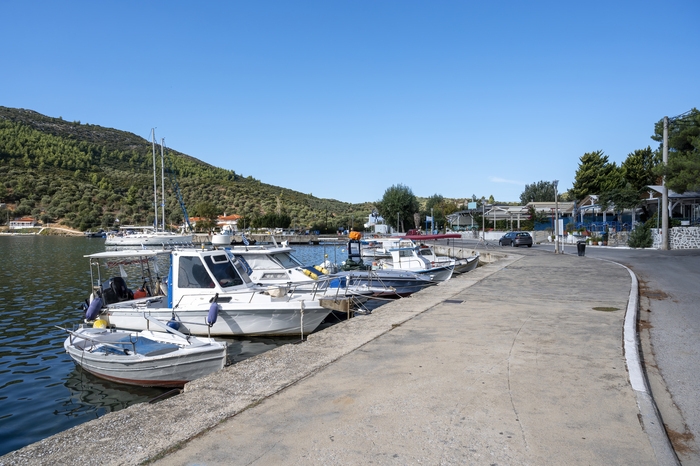
Before you buy
Think about how you'll use the boat, how many people will typically be aboard, the motor you need, and where you'll store it. A little planning can help you avoid costly surprises later.
Let's look at 10 common mistakes and what you can do instead.
Buying a Pontoon Boat Without Thinking About How You'll Use It
Not every pontoon boat is built for the same activities. Some are better for relaxing and cruising, while others are designed for fishing or water sports.
Before buying, think about what you'll actually be doing on the water.
Will you spend most of your time fishing? Do you want to take family and friends out for rides? Are you planning to pull kids on a tube?
For example, if you enjoy fishing, you'll probably want a pontoon with fishing seats, rod holders, and enough room for your gear. If you prefer family outings, comfortable seating and open space may matter more.
Choose a pontoon based on how you plan to use it, not just how it looks at the dealership.
Choosing the Wrong Pontoon Size
A pontoon that looks spacious at the dealership can feel crowded once everyone is on board.
Smaller pontoons are easier to handle and can work well for couples or smaller families. Larger pontoons offer more seating and space for groups, but they also need more room for docking and storage.
Think about how many people will regularly ride with you, not just the number of guests you might invite once or twice each summer.
Also, check the boat's passenger and weight limits. Having enough seats doesn't always mean you can safely carry that many people along with coolers, fishing gear, and other supplies.
Pick a size that fits your usual group while staying within the boat's rated capacity.
Ignoring the Motor Size
One of the biggest mistakes when buying a pontoon boat is choosing the wrong motor.
A motor that's too small for your needs may struggle when the boat is loaded with passengers and gear. On the other hand, you might not need a large, expensive motor if you only plan to cruise around the lake.
For example, a family that enjoys slow evening rides may have different horsepower needs than someone who wants to pull a tube.
The right motor depends on the boat's size, weight, design, and how you plan to use it.
Ask about motor options before buying. Make sure the motor fits your boating plans and stays within the manufacturer's horsepower rating.
Focusing Only on the Purchase Price
It's tempting to choose the cheapest pontoon you can find. But a low price doesn't always mean you're getting a good deal.
A cheaper boat might need repairs, have an older motor, or lack features you'll eventually want.
There are also costs that come after buying a pontoon, including:
- Fuel and regular maintenance
- Insurance and registration
- Winter storage and winterization
- Dock or boat lift equipment
- Trailer costs, if one isn't included
Here in Central Minnesota, winter storage is something you'll want to plan for. Your pontoon needs to be properly prepared and stored when boating season ends.
Set a budget that includes the boat and the costs of owning it throughout the year.
Not Inspecting a Used Pontoon Boat Carefully
Buying a used pontoon can save you money, but skipping the inspection can turn a good deal into an expensive problem.
A boat might look clean on the outside and still have issues underneath.
When looking at a used pontoon, pay attention to:
- Pontoon tubes: Look for dents, cracks, leaks, or signs of previous repairs.
- Flooring: Check for soft spots, loose areas, or water damage.
- Seats: Look for torn upholstery, mold, or damaged cushions.
- Motor: Ask about maintenance records and check for signs of poor care.
- Electrical parts: Test the lights, gauges, and other equipment.
- Trailer: If included, inspect the tires, brakes, bearings, and frame.
Don't be afraid to ask questions about the boat's history. Find out how it was stored, how often it was serviced, and whether it has had any major repairs.
Have a qualified marine technician inspect the boat and motor before purchasing, especially if you're buying from a private seller.
Skipping the Test Ride
A pontoon might look perfect sitting on a trailer, but you won't know how it handles until you get it on the water.
A test ride helps you understand how the boat starts, turns, accelerates, and handles different water conditions.
It's also a good chance to listen for unusual motor noises and check whether everything works properly.
If you're buying a used pontoon, a test ride is especially helpful. Some motor problems are easier to notice when the boat is running under normal conditions.
Ask for an on-water test ride when possible. If that's not an option, arrange a proper inspection before making your decision.
Overlooking the Seating Layout
Two pontoons can be the same length but feel completely different inside.
One may have large lounge seats for relaxing, while another has fishing chairs and more open deck space.
Think about where people will sit, how easy it is to walk around, and whether there's enough storage for your belongings.
If you have kids or older family members, you'll also want to pay attention to the gates, walking space, and how easy it is to get on and off the boat.
Sit in the seats, walk around the deck, and picture a normal day on the lake before choosing a layout.
Forgetting About Your Dock and Boat Lift
This is something pontoon buyers sometimes overlook.
Before buying a boat, make sure it will fit where you plan to keep it.
If you already have a dock or boat lift, check the pontoon's length, width, weight, and tube setup. A larger pontoon or tritoon may not work with your current lift.
Water depth is another thing to consider, especially if your shoreline gets shallow during parts of the summer.
At Channel Marine & Sports in Richmond, MN, we help lake owners with docks, boat lifts, and waterfront equipment. Planning your dock and lift setup before buying a pontoon can help you avoid expensive changes later.
Measure your available space and confirm that your dock and lift can handle the pontoon you want.
Paying for Features You Won't Use
Modern pontoon boats come with plenty of extras, including upgraded sound systems, lighting, fishing equipment, and premium seating.
These features can be nice to have, but they also add to the price.
If you mainly want to enjoy quiet rides around the lake, you may not need every available upgrade.
On the other hand, if fishing is your favorite activity, spending money on fishing features might be worthwhile.
Make a short list of the features you'll actually use. Spend your money on those before considering optional extras.
Buying Without Thinking About Maintenance and Winter Storage
Minnesota has a shorter boating season than warmer states, so caring for your pontoon during the off-season matters.
Leaving your boat exposed to harsh winter weather or skipping proper winterization can lead to problems when spring arrives.
Before buying, think about where you'll store the boat and how you'll handle regular maintenance.
You'll also want to know what maintenance your motor needs and how often it should be serviced.
At Channel Marine & Sports, we offer boat motor service, winterization, and storage options for boat owners in Central Minnesota.
Have a maintenance and storage plan before you bring your new pontoon home.
Should You Buy a New or Used Pontoon Boat?
Both new and used pontoons can be good choices. It depends on your budget and what you're looking for.
Here's a simple comparison:
If you want the latest features and warranty coverage, a new pontoon might be a better fit.
If you're working with a smaller budget, a well-maintained used pontoon can be a great option.
Either way, take your time and make sure the boat is in good condition and suits your needs.
Questions to Ask Before Buying a Pontoon Boat
Before making your final decision, ask the seller or dealer a few important questions:
- What is the boat's maximum passenger and weight capacity?
- Is the motor powerful enough for how I plan to use the boat?
- What is included in the purchase price?
- Does the boat come with a trailer or cover?
- Are maintenance records available for a used pontoon?
- Is there any warranty coverage?
- Will the pontoon fit my existing dock or boat lift?
- Can I arrange a test ride or inspection?
Getting clear answers can help you avoid surprises after buying.
Find the Right Pontoon Boat in Richmond, MN
Buying a pontoon should be something you look forward to, not something you regret later.
Taking the time to compare sizes, check the motor, inspect the boat, and plan for storage can save you money and frustration down the road.
At Channel Marine & Sports, we offer new and used pontoons for sale in Richmond, MN. We also help with boat motors, docks, lifts, maintenance, and storage.
Whether you're buying your first pontoon or replacing an older one, we're happy to help you look at the options and find a boat that works for your family and your time on the lake.
Visit us in Richmond, MN, near the Sauk River Chain of Lakes, or give us a call to learn more about our available boats.
Find Your Next Pontoon
Explore new and used pontoons and get help finding the right boat for your family and your time on the water.
View Available BoatsFrequently Asked Questions
What should I look for when buying a pontoon boat?
Check the boat's size, motor, seating layout, passenger capacity, and overall condition. If you're buying used, pay close attention to the pontoon tubes, flooring, motor, and maintenance history. Make sure the boat fits your budget and how you plan to use it.
What is the most common problem with used pontoon boats?
Common problems include damaged pontoon tubes, worn flooring, cracked seats, and poorly maintained motors. Not every used pontoon has these issues, but a careful inspection can help you spot problems before buying.
Is it better to buy a pontoon with two or three tubes?
A two-tube pontoon is often a good choice for relaxed cruising and fishing. A three-tube pontoon, also called a tritoon, can provide better handling, support higher horsepower, and carry heavier loads, depending on the model. Your choice should depend on your boating needs and budget.
How many years does a pontoon boat last?
A well-maintained pontoon can last 20 years or longer, although its motor, seating, flooring, and other parts may need repairs or replacement along the way. Regular maintenance and proper winter storage can help extend its life.
What time of year is best to buy a pontoon boat in Minnesota?
Fall and winter can be good times to look for discounts on remaining inventory, while spring often brings more interest from buyers getting ready for summer. The best time depends on available boats, prices, and how soon you want to get on the water.