
Sep 21st 2026
What to Wear Ice Fishing
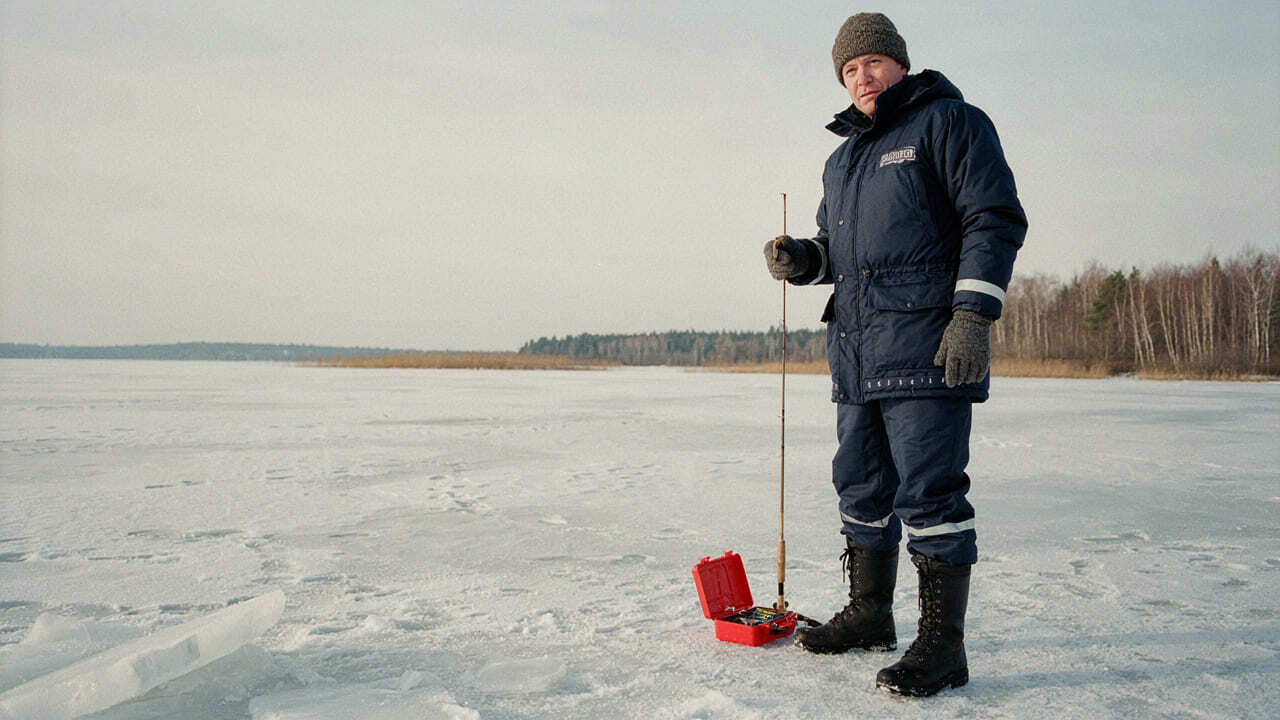
Ice fishing can be a great way to spend a Minnesota winter day, but it gets uncomfortable fast if you are not dressed for it. You may be sitting or standing in one spot for long periods, and wind across an open lake can make a cold day feel even colder.
So, what should you wear for ice fishing?
The best approach is to dress in layers, keep your feet and hands dry, and bring more warmth than you think you will need. You can always take a layer off. It is much harder to warm up once you are already cold.
Here is what to wear ice fishing so you can stay warm and enjoy more time on the ice.
Start With a Good Base Layer
Your first layer should sit close to your skin and help move moisture away from your body.
Even on a cold day, you can work up a sweat while pulling a sled, drilling holes, setting up a shelter, or walking across the lake. If your clothes stay wet from sweat, you can get cold quickly once you stop moving.
Look for:
- Merino wool base layers
- Polyester or other moisture-wicking material
- Long underwear made for cold weather
Try to avoid cotton as your main base layer. Cotton holds moisture and takes a long time to dry.
For very cold days, wear both a long-sleeve base layer and long underwear bottoms.
Add a Warm Middle Layer
Your middle layer holds in body heat.
A fleece jacket, wool sweater, sweatshirt, or insulated jacket can all work well. On colder Minnesota days, you may want more than one middle layer.
A simple setup could be:
Base layer + fleece + winter jacket
For your legs, thermal underwear under insulated pants or bibs is usually enough for most conditions.
The nice thing about dressing in layers is that you can adjust throughout the day. If you get warm while setting up, remove a layer before you start sweating heavily. Put it back on once you settle in to fish.
Wear an Insulated, Wind-Resistant Outer Layer
Your outer layer has an important job: keeping cold wind and moisture away from your body.
A good ice fishing jacket and bibs are worth having if you fish regularly. Look for clothing that is:
- Insulated
- Wind resistant
- Water resistant or waterproof
- Easy to move in
- Large enough to fit over your other layers
Bibs are especially useful because they give you more protection around your waist and lower back than regular winter pants.
Many anglers also choose flotation-assisted ice fishing suits. These are designed to provide added buoyancy if someone unexpectedly goes through the ice. They do not replace good ice safety habits, but they can add another layer of protection.
Do Not Forget Your Feet
Cold feet can end an ice fishing trip early.
Wear insulated winter boots that are waterproof and have enough room for warm socks. Your boots should not fit too tightly. Tight boots can reduce circulation and actually make your feet colder.
Wool or wool-blend socks are a good choice for ice fishing because they stay warm and handle moisture better than everyday cotton socks.
One good pair of winter socks is usually better than squeezing two or three pairs into your boots.
If your feet tend to get cold, bring an extra pair of dry socks. Changing into dry socks halfway through the day can make a big difference.
Wear Warm Gloves or Mittens
Your hands have to do a little bit of everything while ice fishing. You may be handling bait, tying line, clearing ice from a hole, using electronics, or grabbing a fish.
That makes gloves a little tricky.
Thick mittens are usually warmer, but they make it harder to work with fishing gear. Thin gloves give you more control but may not keep your hands warm for long.
A good solution is to bring both.
Wear thinner gloves when you need to use your hands and keep a pair of heavy mittens nearby for when you are waiting for a bite.
Hand warmers can also help on especially cold days.
And bring an extra pair of gloves. Ice fishing has a way of getting gloves wet.
Cover Your Head and Face
A warm winter hat is an easy choice for ice fishing. Choose one that covers your ears.
On windy or very cold days, add a neck gaiter, face covering, or balaclava. Open lakes offer very little protection from the wind, so covering exposed skin can make a noticeable difference.
Sunglasses are also useful, even during winter. Bright sunlight reflecting off snow and ice can be hard on your eyes.
What to Wear Ice Fishing in a Heated Fish House
If you are fishing inside a heated ice house, you probably will not need to wear your full winter setup the entire time.
Still, dress for the weather outside.
You may need to walk from shore, unload equipment, drill holes, or deal with something outside the shelter. Weather can also change during the day.
Wear your normal layers to the lake and remove your jacket or middle layer once the fish house warms up.
Do not head onto the ice dressed only for the temperature inside the shelter.
What to Wear Ice Fishing Without a Shelter
Fishing outside all day requires more insulation and better wind protection.
For outdoor ice fishing, consider wearing:
- Moisture-wicking long underwear
- Fleece or another insulating middle layer
- Insulated winter jacket
- Insulated bibs
- Waterproof insulated boots
- Wool or wool-blend socks
- Warm hat
- Neck gaiter or face covering
- Gloves plus heavier mittens
- Ice cleats when conditions are slippery
Wind protection becomes especially important when you are sitting still for long periods.
Ice Cleats Are Worth Bringing
Warm clothing will not help much if you slip and get hurt.
Bare lake ice can be extremely slick, especially when there is little or no snow on top of it. Ice cleats or traction devices that attach to your boots can give you much better footing.
They are inexpensive, easy to carry, and useful for anyone spending time on the ice.
Bring Extra Clothes
It is always smart to keep extra clothing nearby.
Consider packing:
- Extra socks
- Extra gloves
- Another hat
- Dry base layers
- An extra sweatshirt or fleece
If something gets wet, you will be glad you have a dry replacement.
If you are driving to the lake, keeping a full change of dry clothes in your vehicle is also a good idea.
Dress for the Weather, Not Just the Temperature
A 20-degree day with sunshine and little wind can feel very different from a 20-degree day with strong wind and blowing snow.
Before heading out, look at more than just the temperature. Check:
- Wind speed
- Wind chill
- Snow conditions
- Chance of precipitation
- How long you plan to be outside
Ice Safety Reminder: You should also check current ice conditions before going onto any lake. Ice conditions can change from one part of a lake to another, and no ice should automatically be considered safe just because other people are already fishing there.
A Simple Ice Fishing Clothing Checklist
If you are getting ready for your first trip, you do not need to make things complicated.
A basic outfit can include:
- Moisture-wicking base layer
- Fleece, sweatshirt, or other warm middle layer
- Insulated winter jacket
- Insulated bibs or snow pants
- Wool or wool-blend socks
- Waterproof insulated boots
- Winter hat
- Neck gaiter
- Gloves
- Heavy mittens
- Ice cleats
- Extra dry clothes
Adjust your layers based on the temperature, wind, and whether you will be fishing inside a shelter or out in the open.
Stay Warm and Enjoy Your Time on the Ice
Knowing what to wear ice fishing comes down to three things: stay warm, stay dry, and block the wind.
Dress in layers instead of relying on one heavy coat. Wear waterproof insulated boots, protect your hands and face, and bring extra clothing in case something gets wet.
Minnesota winters can get plenty cold, but the right clothing makes a big difference. When you are comfortable, you can spend less time thinking about frozen fingers and more time watching your line.
Channel Marine & Sports is located in Richmond, Minnesota, and serves anglers and lake lovers throughout Central Minnesota. Stop in and see us for help with your fishing and marine needs, or check out our website to see what we have available.
OUR SERVICES & CONTACT US