
Apr 5th 2026
How to dock a boat for beginners
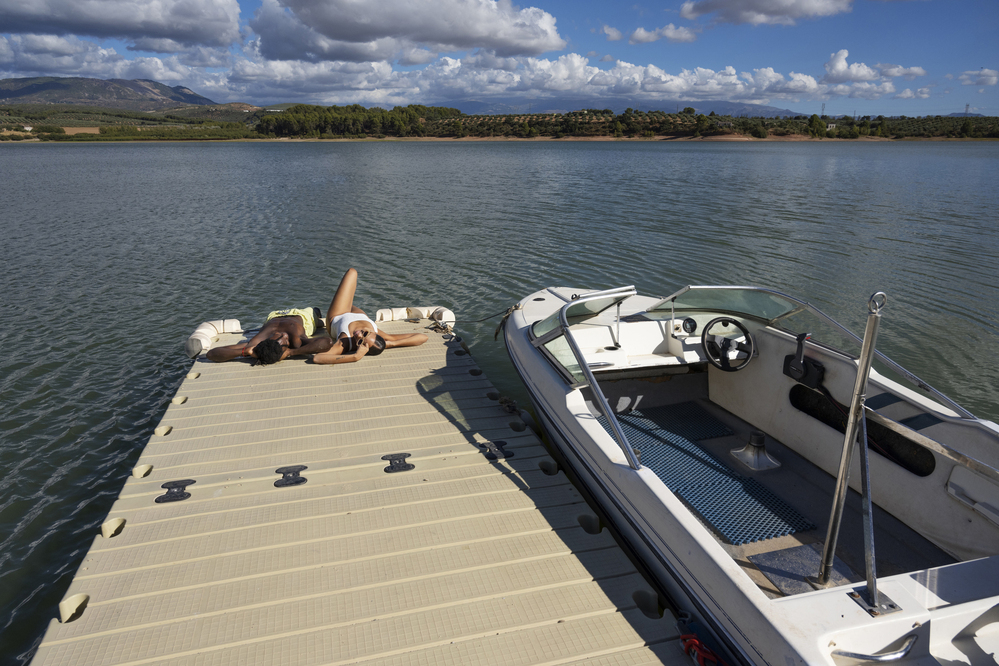
Docking a boat can feel intimidating at first, but with the right approach, it becomes a smooth and controlled process. Understanding the steps and preparing ahead of time can save your boat from damage and make your arrival at the dock stress-free.
Docking a boat can feel intimidating at first, but with the right approach, it becomes a smooth and controlled process. Understanding the steps and preparing ahead of time can save your boat from damage and make your arrival at the dock stress-free.
1. Prepare Before You Approach
Before you get close to the dock, make sure your fenders are in place on both sides of the boat. Fenders act like cushions, preventing scratches or dents when your boat brushes against the dock. Prepare your lines and have them ready to throw onto the dock. Double-check that nothing on deck could get tangled or fall overboard. Knowing the wind and current direction is also key—these factors will affect your approach.
2. Approach Slowly and Carefully
Slow and steady is the rule. Approach the dock at idle or low speed, giving yourself time to adjust your angle if necessary. Keep your hand near the throttle or gear shift so you can stop or reverse instantly. Many accidents happen because the boat arrives too fast to react.
3. Pick the Right Angle
A shallow angle, usually around 20-30 degrees, is ideal for most boats. This allows you to glide alongside the dock without hitting it head-on. Align your boat so the bow (front) points slightly toward the dock while keeping room at the stern (back) to maneuver. Small steering adjustments at this stage can prevent a big problem later.
4. Factor in Wind and Current
Wind and current are your greatest challenges when docking. Try to approach against the wind or current, which naturally slows the boat’s movement. If you can’t, be ready to compensate by steering gently or using short bursts of throttle to maintain control. Always anticipate how your boat will drift and plan your lines accordingly.
5. Use Lines Effectively
Once your boat is alongside the dock, secure it with lines. Start with the bow line, then the stern line, and finally the spring lines if your dock setup allows. Make sure the boat is snug against the fenders but not too tight—boats move slightly even at the dock, so you want a little flexibility.
6. Keep Communication Clear
If you have passengers, assign tasks ahead of time. One person can handle lines, another can watch for obstacles or guide the driver. Clear signals—like pointing or calling out—make docking faster and safer. Read about Preparing dock for the boating season
7. Practice in Different Conditions
The more you practice, the easier docking becomes. Try docking on calm days, windy days, and with current to understand how your boat reacts in each situation. Every boat handles differently, so learning your boat’s turning radius, stopping distance, and throttle response is important. Also read about Why Regular Dock Maintenance Matters
8. Safety Tips
- Always wear a life jacket when docking in unfamiliar waters.
- Keep hands and feet clear of cleats and dock edges.
- Avoid rushing—take your time and adjust as needed.
- Keep the dock area clear of obstacles to reduce the risk of accidents.
Docking doesn’t have to be stressful. With preparation, patience, and regular practice, you can tie up your boat safely and confidently every time. Mastering these skills not only protects your boat but also makes every return to the dock an enjoyable part of your day on the water. Check our Dock service areas